
Opening a New Chapter for Outdoor Recreation in the Pikes Peak Region
Read more
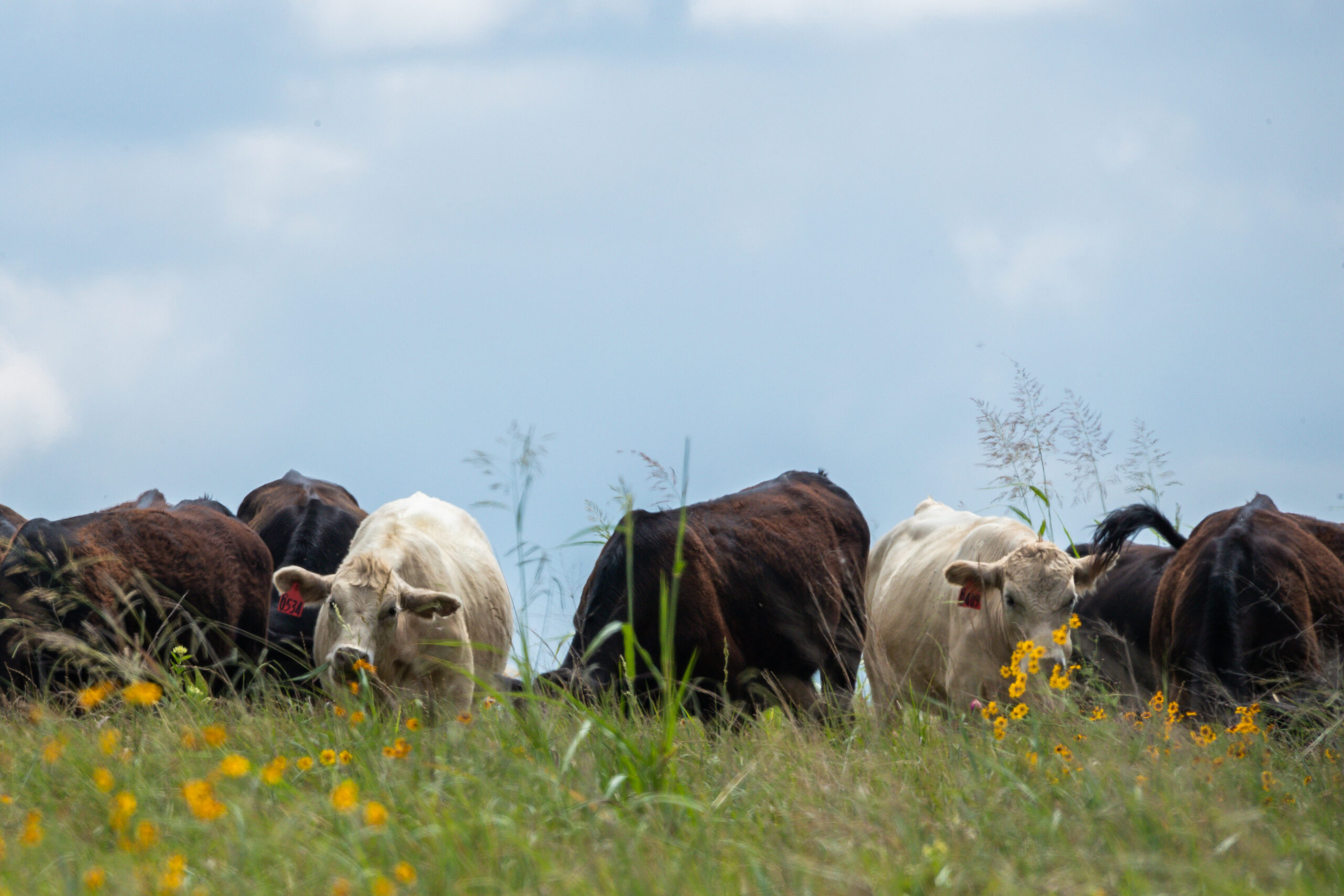
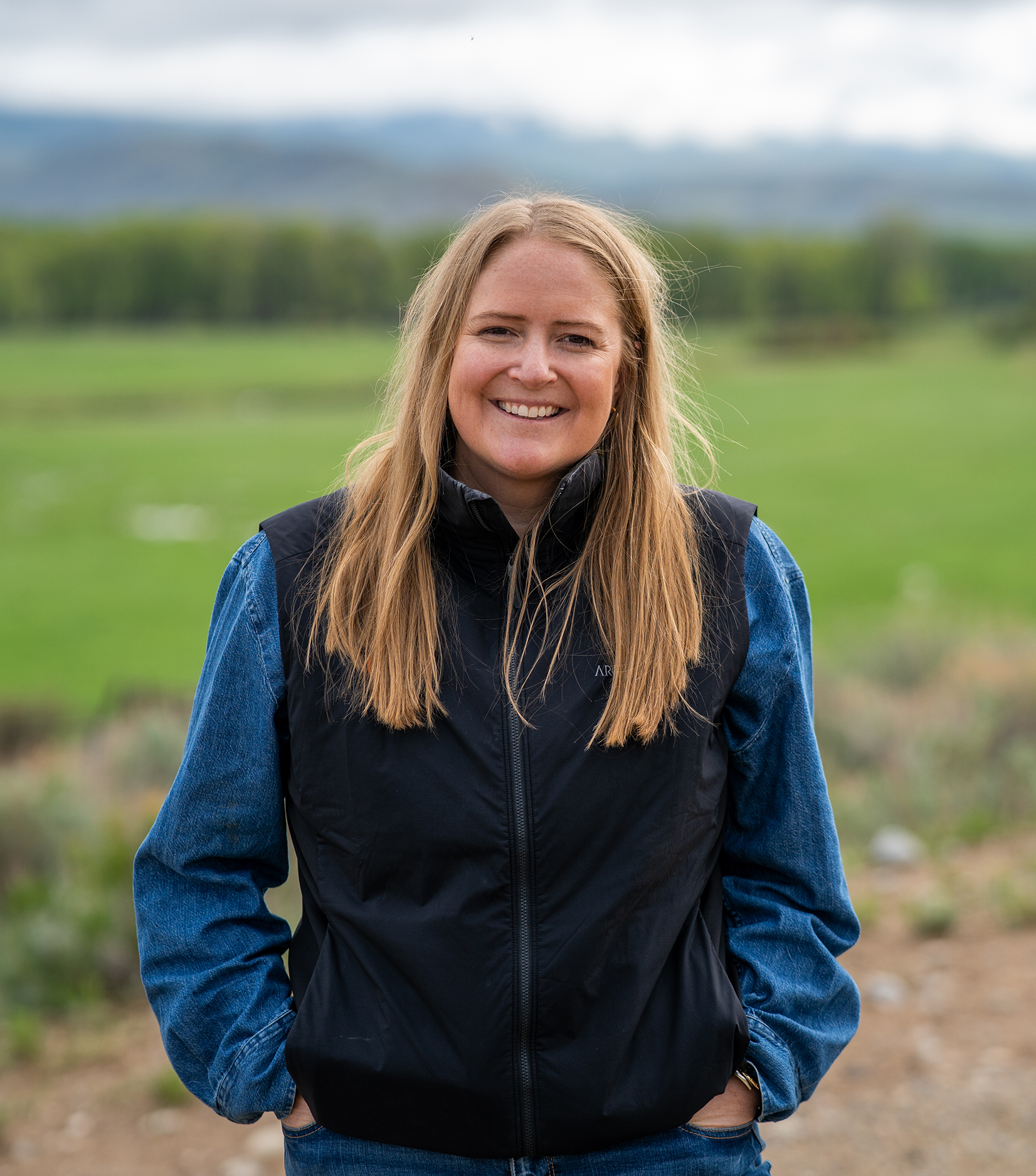


Haley is joined by Kacey Scherler of the Noble Research Institute to explore the transformative power of regenerative agriculture in modern ranching. They discuss how practices like rotational grazing can boost profitability, enrich soil health, and create more sustainable landscapes for future generations.
Links
NRI – Fundamental Principles of Regenerative Agriculture
NRI – 10 Things You Should Do to Get Started with Regenerative Grazing
NRI – 7 Lessons Learned While Switching to Regenerative Grazing
NRI – The Power of Observation
RE:FARM
For full audio episode – listen here or wherever you get your podcasts!
Haley Mirr (00:06):
Welcome back to the Land Bulletin podcast, where every other week we bring you experts in the field to impart their knowledge when it comes to the ranch and sporting property market, buying and selling advice, the latest, best stewardship practices, as well as topics that impact landowners every day. I’m your host, Haley Mirr. Let’s jump in. Welcome back to the Land Bulletin podcast. I’m Haley Mirr, and today we’re going to be focusing on regenerative agriculture, particularly in grazing lands and the broader importance of land stewardship and profitability and modern ranching. Helping me out today is Kacie Scherler and at Noble Research Institute, noble Research Institute for those listening and don’t know much about it, just a quick little intro is a leading agricultural research nonprofit dedicated to solving agricultural challenges and promote regenerative practices nationally. Casey, thank you so much for taking the time today to chat about not just Noble Research Institute, but your career path, what’s led you to being a part of this cool organization and what you’re doing on your own ranch. So welcome to the show.
Kacie Scherler (01:11):
Thank you so much, Haley. I’m really glad to be here.
Haley Mirr (01:14):
Perfect. Well, before we get into the nitty gritty, I’d like to always kind of let our listeners get to know you a little bit more. So we’d love to know about your background and what led you to Noble Research.
Kacie Scherler (01:26):
Yeah, so I am a fifth generation farmer and rancher here in southwest Oklahoma. I live in a small town called Walters, grew up on the ranch, moved to California for college and ended up staying there for about a decade where I wasn’t directly involved in ag, but I worked for nonprofit organizations and was ag adjacent. So I worked for organizations like Fair Trade Certified. If you’ve ever seen a Fair Trade logo on your clothing or chocolate, I was part of that certification process. And so my heart though still wanted to be more involved on the family operation. I’ve always been really passionate about really just how can we make agriculture more sustainable. So my husband and I moved back about six years ago in 2018 and we started by leasing part of my family’s land and we were like, we’re going to try out this regenerative thing. And it’s grown. It’s grown pretty steadily since then, and I’ve known about Noble Research Institute for a really long time, and I love their mission of really trying to spearhead education and empowering ranchers to adopt more regenerative practices in ways that are really accessible and inviting regardless of where someone is on their ranching journey. And so currently I also serve as a regenerative ranching advisor. So I help develop and teach curriculum to ranchers across the country who are either getting into or to continue to expand their regenerative practices.
Haley Mirr (03:03):
Wow. How do you find time of the day to have your own operation and educate about all of it? Well, also being a mom, may I add? Yes,
Kacie Scherler (03:12):
I am a mom, A new mom. Yeah. My husband and I stay pretty busy, but the nice thing is these are things that we’re so passionate about and so it feels more like fun than work most of the time, which is good.
Haley Mirr (03:25):
That’s great. And you did say earlier that you had a connection to my ranch group. You said you knew one of our brokers, Woody Beardsley. How did you run into him? What was your work with Woody in the past?
Kacie Scherler (03:36):
Yeah, so my husband and I, we work with some land funds who are interested in purchasing large ranches. We were doing due diligence on a property in Colorado, unfortunately for the people that we work with, that offer didn’t go through, but my husband is still in communication with Woody and we are just very passionate about the work that you do and the ways that you bring sort of care and conservation into these conversations from the real estate perspective. So we’re grateful to know Woody. He is a really fun, smart guy. So he’s a hoot too.
Haley Mirr (04:12):
Yeah, and just like you, he’s like fourth, fifth generation rancher as well up here in Colorado. So you guys probably have a lot of overlap just with backstories, things like that. Well, that’s great to know, and thank you for the kind words about what we’re trying to do as a brokerage company. I’d love to know a little bit more about, okay, so you are a ranch advisor. What does that really mean? What are your duties as a ranch advisor and how many are there over at Noble?
Kacie Scherler (04:41):
Yeah, that’s a great question. So the regenerative ranching advisors, there’s several of us at Noble and we are what’s called subject matter experts. So we have a pretty diverse team in terms of areas of expertise. So we’ve got experts in grazing obviously, but also some of the top pecan orchard specialists in the nation. We have economists, there’s, I want to say there’s 12 to 15 of us. I could be wrong. I don’t know that off the top of my head, but I should. We cover a pretty wide area of specialties when it comes to regenerative agriculture, which is really awesome to be a part of. So we develop curriculum. We’ve got several courses launched currently. We’ve got more courses launching in the future, but just to give our learners, we say, or our audience sort of a breadth of areas of knowledge to choose from, whether that’s grazing and learning more about infrastructure and the hands-on of how regenerative grazing management work or we’ve got the profitability class, which I help facilitate really honing in on how do we make regenerative agriculture profitable, which I think is an aspect of this realm that’s kind of left behind sometimes.
(06:05):
We’ve got a lot of information out there in terms of the what and the how, but how do we keep it and make it sustainable from an economic standpoint too. So we’ve got a lot of information and knowledge to share, and we’ve developed these classes that are engaging fun hands-on people. They learn a lot, they share a lot. Ranchers aren’t always the most maybe vocal people when it comes to sharing specific concerns or problems. And so we try to create this space where we say, Hey, come alongside us. You’re not alone in this. Let’s figure out how to troubleshoot and problem solve together. So it’s really neat to be a part of.
Haley Mirr (06:45):
And how do you start figuring out what to teach? I know a lot of it is from your own personal experiences and finding things that work and things that don’t, but after researching a little bit about Noble, it looks like you guys also operate quite a bit of land as well. Is this somewhere where you test out some of these theories before bringing it out to the larger institute?
Kacie Scherler (07:07):
Yeah, definitely. So Noble has a few ranches, I think a little over 13,000 acres total that they’re operating on, and they’re really practicing what they preach. These ranches used to be run more conventionally and a few years ago are not so new anymore. CEO decided we are going to go in a different direction. We’re really going to try out this regenerative thing because this seems like something that really works and kind of needs to be the future of agriculture. And so of course we began adopting those practices on our own ranches. We have a great ranch manager, Joe, who oversees all of the operations there, but there’s tons of sort of experimentation and research happening. We’ve got a research team at Noble who’s looking at, okay, how does this management style of grazing compare to one that’s a little bit different? How does it impact the soil?
(08:03):
How does it impact the pasture? And not only sort of the soil systems component, but also the social elements. How does this affect producers? What does motivate ranchers to adopt regenerative or what keeps or inhibits ranchers from adopting? And so the cool thing about Noble is that we’re collecting tons of data all the time, whether that’s from research or us surveying farmers and ranchers to really see what people are itching to learn. And so a lot of our course development just revolves around kind of what our data tells us that ranchers are really looking for.
Haley Mirr (08:41):
And this might be kind of taken two steps back, but as we talk about regenerative ag, we’ve had a lot of podcasts that have talked about this. We’ve had a couple managers on to talk about it. But in layman’s terms, what is regenerative agriculture for those listening who might just be tuning in and not kind of understanding what that might mean?
Kacie Scherler (08:59):
Definitely. So our modern agriculture system focuses on oftentimes, I’ll say, focuses on maybe manipulating the land to achieve an end goal. So this normally requires a lot of inputs, whether those are chemical inputs or heavy duty machinery. It’s often a farmer or rancher fighting against nature. So right now in Oklahoma, it’s wheat planting season. My family plants conventional wheat and we’re struggling with army worms. And so there’s tons of, there’s so much spraying happening already so early in the season. And so it’s almost like we’re always fighting against a pest, fighting against feeds. Okay, regenerative agriculture on the other hand says, let’s take a step back. Let’s look at what our resources, the land already possesses and focused on working with the land rather than fighting so hard to make it work to our will, which is difficult in this industry, obviously. And so I think we say working with nature rather than working against nature.
(10:06):
And we can get into maybe in a little bit what some of those more specific practices are. But I also just want to say, I think a lot of people are sometimes like, well, what’s different about regenerative agriculture versus organic? Something like organic. And the difference is that regenerative ag isn’t based on a very strict set of rules or standards or principles that have to be adhered to. Regenerative recognizes each piece of land, regardless of where you are. Each ranch is unique and will require different ways of management. And so in that way, regenerative is what we say. There are core tenants that should be adhered to when they can be, but it’s going to look different depending on where you’re at.
Haley Mirr (10:56):
That was one of the more beautiful ways of putting it than we have on the show. So thank you for making that make more sense. And personally, on your own property, what are some of the techniques, regenerative techniques that you’ve implemented into your own operation?
Kacie Scherler (11:14):
Definitely. So when we started, we learned a lot about the benefits of rotational grazing. And so we started out kind of experimenting with how frequently we would move our livestock. And so we tried once a week. We tried once a day. I want to caveat this by saying what we do on our ranch currently is not by any means a prescription for anyone else. I think we’re a little bit extra, but we currently move our cattle two to four times a day. And what we’ve seen by doing that is we are to, we’ve been able to double our stocking, which has been huge. We no longer have to supplement with hay in the winter. We’re able to stockpile our grazing, obviously, unless the ground is frozen and the pasture’s inaccessible, but we no longer run out of grass through this grazing management style. And so as we move our cattle paddock to paddock to paddock, the paddock they were on will rest anywhere from 60 days to 120 days or more.
(12:20):
And that’s really where the magic starts to happen because that paddock just got this huge burst of nutrient energy from cattle manure urine, from the light hoof tillage that the cattle are providing it. And because of that, we see all of these native plant species coming back. We’re getting more pollinators and ground nesting birds. And so I think a lot of times people think, oh, well, if I switch to something more regenerative, it’s going to take me 10 years to see some of the impacts. And it really doesn’t. I mean within two years we were seeing monumental impacts from our livestock grazing management, and now when you see sort of our pastures compared to our neighbors, there is a very big sort of visual difference in what those pastures look like. Yeah,
Haley Mirr (13:13):
I love when you reiterated a lot of ranchers we talk to, we always say, this is what we do. We’re not saying this is what you should do, but this is what we do. It is very different from landscape to landscape to what you guys can monetarily timing. It’s all a part of what you choose to do. So it’s a spectrum. I just enjoy when you guys all say that before you go into it. Well, what’s different than Noble Research Institute than other kind of traditional organizations? You said it perfectly, it was a lot of people don’t fearful of changing their management techniques, they’ve been doing it for years. What does Noble Research Institute offered a ranchers that maybe has never existed before in terms of resources and tools and education and those kinds of things?
Kacie Scherler (14:10):
Yeah, definitely. I think the breadth of knowledge that we’re able to offer alongside the depth. So what’s neat about it is that, I think I mentioned this earlier, regardless of whether you’re a longtime rancher or you’re just getting started, if you come to a noble course for example, you’re going to get something tangible out of it. And you don’t just come and learn, here’s a checklist of things you should be doing. It’s let’s start by challenging our paradigms. Because oftentimes that is the biggest thing standing in a rancher’s way when it comes to making changes because especially on multi-generational ranches, people things, because that’s the way dad did it. That’s the way grandpa did it. Why would I want to do anything different? And sometimes people are so sort of stuck in their own status quo that it’s difficult to see what alternatives there could be or how to even get started.
(15:08):
And so these courses help provide that tangible first step of let’s rethink how we even think about ranching, and not in a way that says, you need to go home and do this right now. We’re not going to tell anyone you need to go move your cow twice a day. But it’s more of an invitation to, let’s think about this a little bit differently and then get into the more specifics of, well, what does this look like if I want to rotate my cattle more, what kind of infrastructure do I need? The nice thing too is that we don’t just have the courses, we have these other resources. So one example is rancher to rancher. So after you come to a noble class, you are part of this group who is invited to a monthly conversation that we have. It’s a zoom call that we open up.
(15:55):
Each one has sort of a floating topic, and it’s not a presentation. It’s let’s come and discuss our questions around this topic. So for example, this month it was weatherproofing water points, winters around the corner, water can become a really big issue, whether that’s pipes freezing or bursting or how do we get our cattle water? And so we had really great conversations where people could answer, ask questions, or we had one rancher who had come up with a really cool way to mitigate some of these issues who shared it with the other people part of the conversation. So there’s that community aspect of it as well, which a lot of ranchers are missing right now. It’s a very siloed industry. And so we need that safe space for ranchers to come and talk about their challenges. And so we provide that as well, which I think is really unique.
Haley Mirr (16:47):
That’s huge. It’s just nice, especially with ranchers. Your neighbors seem to be so far away, but when you have kind of a community like this that you can go to with questions, it really just helps across the board. And all of this sounds really awesome, and why wouldn’t you sign up for something like this and sign up to update your management techniques to regenerative ag? But what are some of the challenges that ranchers do face, and how do you guys help mitigate some of those challenges or get them past that step?
Kacie Scherler (17:21):
I would say the biggest one of, I can’t speak for all, but I think one of the biggest challenges that come up is labor constraints. And again, it’s whether that’s a realistic constraint or a perceived constraint. If someone, again, let’s use rotational grazing as an example, if someone is not used to doing that and they think about the time necessary to set up and move portable fencing structures, that’s a pretty huge shift in someone’s maybe day-to-day operations. But again, this goes back to the paradigm conversation of, well, let’s think about it this way. The time you would’ve spent in the cab of your truck checking on cattle, now you might walk the length or half a length of a field moving a portable fence. It is more boots on the ground in terms of labor intensive, but it doesn’t necessarily take, I think the amount of hours that people assume that it will. But again, these are huge sort of mindset shifts and there’s oftentimes really big learning curves and the subject matter experts, so my team that I mentioned earlier, we also are available for consultations. So we have ranchers calling in, asking really specific nitty gritty questions, whether that’s about something specific to the ranch and infrastructure or whether it’s more financial related. Let’s open up our books and figure something out together. All of the team is available for those sorts of one-on-one consultations, which kind of help alleviate a lot of these problems too.
Haley Mirr (18:59):
And I love what you said, the perceived versus actual kind of challenges, and don’t be too scared to learn a little bit to have those consultations, see what the pitfalls might be. Just like anything, if you update your schedule or if you update what you’re used to doing a certain way, there’s always going to be a little bit of a challenge at the beginning. I love to go into, because I think one of the perceived challenges that some ranchers might be looking at is the profitability piece. I have this operation, it’s being ran x, y and Z way for years, and I’ve grown accustomed to the amount of money that I make, the profitability of my operation. What are the things that you teach or you talk about succeeding and maintaining that profitability structure that you might have grown accustomed to?
Kacie Scherler (19:54):
Yeah, that’s a great question. The most recent class that we launched is called Noble Profitability Essentials, and it’s a course that we made in partnership with Ranch Management Consultants. I’m not sure if you’re familiar with them, but they do a class called Ranching for Profit, which is huge. It’s a week long class, it’s incredible. And they’ve partnered with us and we basically have created a two day class with some of the really key pieces of the Ranching for Profit method. And essentially what this conversation invites ranchers into is before we talk specifically about the profitability of your ranch, we want you to rethink maybe what your definition of profitability even means. Because oftentimes ranchers may think they are profitable and could be on paper, but they’re not considering all of these sort of hidden expenses, whether that’s free labor, are you paying yourself the owner, fair wage, labor prices?
(20:57):
Are you depending on sweat equity in some capacity, whether that’s yourself, family members, are you depending on land that you potentially inherited? We say you should be able to afford market value, rent for land, even if you own that rent. So there are all these sort of hidden aspects that we ask ranchers to consider because by these metrics, I don’t want to generalize, but I will say that most ranches are not profitable as they’re operating. And so we get that started to get the conversation going. And then what we try to do is analyze profitability of your ranch on the enterprise level. And what that means is a lot of ranchers, let’s say, run cow calf operations and they think of that as a business. Obviously I run cow calf. Well, those ranchers might also retain their heifers versus spelling the heifers. They might not be considering, oh, by retaining my heifers that is its own enterprise because it’s going to take me two years to cashflow on that heifer.
(22:09):
And so we want them to separate every single enterprise on their ranch. Cow calf is one, retained heifers is one. If you do hay, that’s another enterprise. Let’s look at the nitty gritty of each enterprise, determine whether it’s really profitable. And then we say, we use the term deadwood. We want to identify the deadwood on our ranches, and any ranch is going to have deadwood in some form or fashion. How do we cut the deadwood? Okay, so these are conversations we want to have before we get into the regenerative aspect. But this kind of sets the stage to say, you might think that what you’re doing now is working, but I could almost guarantee you there’s something you’re doing that could be working better. And I know I mentioned we were able on our operation to double our stocking rate. I mean, that’s huge. Buy regenerative grazing, which is common. It might not be doubling, but you can almost always increase and fairly significantly increase your stocking rate by adopting regenerative grazing practices. So those factors sort of come in later, but again, we want to identify what profitability really, really means. And it’s pretty cool to see how this class, it’s just a light bulb going off for folks when they start thinking about it this way. So it’s pretty neat.
Haley Mirr (23:30):
And how do you, and this might be getting a little too deep, and maybe we need to take a course before that’s what we can push people towards. How do you forecast some of these things? Because it’s just like any business. I mean, you’re forecasting the numbers and the profitability and the scale of all these different initiatives that you might be implementing. How do you even begin to forecast some of these things when it comes to regenerative ag and what that can do for your profitability?
Kacie Scherler (23:58):
It is a great question. And really the whole course focuses on, we say planning for a profit. It is forecasting, it is budgeting. We walk through different, I don’t want to use the word spreadsheets. They are spreadsheets, but we’ve made them very palatable, very easy to navigate regardless of how financially savvy you are. But we’ve come up with these different steps to help people plan for a profit. Oftentimes we get to the end of the year and that’s when we figure out, did we make a profit or loss? We don’t want to do that. We want to plan a year in advance and identify problems. Obviously in ranching, there are a lot of factors outside of our control. We can’t plan or mitigate for everything, but planning in advance helps ranchers avoid really common pitfalls that happen. It helps when you might need to reach out for outside financing or rather than getting backed into a corner when you’re in a cashflow crunch and needing to sell cattle or market a product before it’s ready, just so you can cashflow. We can identify those problems ahead of time by using these methods that we talk about in the class. But yes,
Haley Mirr (25:08):
Awesome.
Kacie Scherler (25:09):
We get really into it in the class. Great.
Haley Mirr (25:13):
Perfect. So okay, we’ve talked about some of the existing classes that can be taken, what you guys offer. What is the mission and the future of what Noble Research Institute is trying to do for the industry at large?
Kacie Scherler (25:29):
So Noble’s mission is to really make regenerative ranching more accessible, and the mission is huge. I think it’s by 2040. Noble wants to guide farmers and ranchers to regenerate 160 million acres that could be not spot on, something close to that. But really noble just wants to have this very broad reach when it comes to making a regenerative impact. And so we are based in Oklahoma, but these courses are offered really across the country. I think next year we’re launching as far as California and potentially one in Florida. And the nice thing, as I said, these principles are applicable wherever you’re located, whatever the size of your operation is. And so Noble wants to help kind of remove these barriers that stand in rancher’s way when it comes to adopting these practices.
Haley Mirr (26:30):
I would imagine. I’ve never been a rancher, but I work with a lot of them. And it’s so nice that you guys are creating this palpable, digestible thing that all ranchers can start to implement even at a smaller scale. You don’t have to change your entire management technique right away, but starting to integrate some of these practices and listening to these advisors who have seen these things take shape in their own ranches and communities is completely something that we can all start to do, which is neat.
Kacie Scherler (27:02):
Yeah, definitely. And something you just reminded me of something that is kind of a common phrase in regenerative circles is this concept or idea of safe to fail or safe to learn. So no one expects you to go home and make these transitions to your entire operation overnight. We say, why don’t you take a couple acres and just experiment and see what happens? And that’s how you learn, how you can help visualize the impacts and how it might work. So starting small is often often key. And I think we really want to communicate that because there’s a lot of rhetoric in the regenerative conversation that it’s like all or nothing, or you have to do everything to the tea or you’re not regenerative, and we’re not the gatekeepers of regenerative agriculture. If you could start next year by spraying less and see what happens or whatever it may be, again, this is an open invitation to everyone to just kind of get the ball to start rolling, even if it’s slowly
Haley Mirr (28:10):
Perfect. And are there resources to kind of start that kind of conversation and dialogue that our listeners can start to look at?
Kacie Scherler (28:18):
I mean, aside from going to Noble
Haley Mirr (28:21):
Classes signing up.
Kacie Scherler (28:22):
Yes, I really do. I know I work for Noble, and I might be a little bit biased, but I think it’s a really, really good place to start and have classes. Even if you’re not really familiar with soil health, the best place to start is our land essentials class because it just covers kind of, I want to say basics, but I even learned a lot from our land essentials class about what soil health means. What does it mean managing for soil health? How does that impact my cattle and my livestock? But there are classes kind of catered to wherever people are on the spectrum. And honestly, we learned, my husband and I learned a lot from YouTube and reading books and watching people who were doing this day to day, how do you set up a paddock? What is the ideal paddock size? There’s a lot of great regenerative ranchers out there doing amazing things. Johann Zisman is someone who we look up to, but we encourage people to hopefully find someone in their area to go visit because that’s the best experience getting boots on ground somewhere to just see what it is and how it worked.
Haley Mirr (29:37):
And I’d also like to just on while some of our next stewards, next owners, maybe managers and maybe the ones implementing some of these strategies, a lot of them are, we call them absentee landowners, even though they’re not necessarily absentee, but what’s something you’d recommend all landowners kind of learning? Maybe it’s a class at Noble, maybe it’s something, but that’s just kind of will help the landscape itself, even if they’re not the ones implementing the management strategy. I always like to, we’re trying to connect landowners to the land and we want to make sure they’re as educated as possible because we want the landscapes to thrive and these working landscapes to stay working. And that’s why we do the land bulletin. A lot of the reason is to make sure these people are ready to take this on, because so many times people buy land and they don’t know the first thing about what to do with it, or they maybe sign up for too much and then the land gets degradated just on accident. They just didn’t have the time. So what are some of, I guess, the resources that Noble Research Institute has or something that you recommend through your own experience that you would recommend these types of landowners who are just starting, who want to take care of it, but don’t know? The first thing about management,
Kacie Scherler (31:01):
I want to preface by saying I think this conversation is so important. My husband and I, we leased land, some of our property as leased land from absentee owners who had inherited family land in this area and heard about regenerative agriculture, Googled us, found us on the internet. They were like, oh, we want our land to be managed like that. They reached out. Obviously, we were thrilled on both sides. And so to an absentee landowner, I would say hopefully you can find someone like that in your area to be a good steward to your land. At the end of the day, we all want healthy land and soil regardless of where we fall. If we work with the land, we want Healthy Land. Noble is about to launch our Land Essentials class online, I would say. And it’s something that you can do on your own pace, on your own time.
(31:49):
And I would say that’s a fantastic starting point for any landowner, but especially an absentee landowner, just to understand the basics, the essentials, understanding. Look at Noble’s website. You can read about the six Soil Health principles. Just having a decent grasp on that will give you enough insight and knowledge to start the conversation with whoever is managing or running your property for you. But there are so many people who want to be on the land and work on the land who potentially don’t have access or don’t know where to lease land from. And so I hope that someday there are more resources to connect those landowners with land stewards and ranchers who want to do riot by the land. But yeah.
Haley Mirr (32:43):
That’s awesome. That’s great advice. So we’ve talked a lot about Noble and kind of your experience. Can you tell me a little bit about the business that you’ve created called Re Farm and what that is and how that’s kind of connected to Noble and your experiences with regenerative ag?
Kacie Scherler (33:00):
Yeah, definitely. So when we started, we were really small. We leased a little land, got a couple cattle, tried to figure out this rotational grazing thing. And the reason we got started down our own path was actually more of a health journey. I was struggling with some autoimmune conditions and wanted to be able to source clean, locally raised, grass fed and finished beef. And so we thought, why not try it ourselves? And it was through that journey that we started to learn more about regenerative agriculture. And I say what started as a health journey turned into a soil journey as we started to learn the impacts of that. My husband and I, we now operate on 1500 acres. We do grassed and finished beef. We also sell cattle commercially. We do wheat grown regeneratively. We market that commercially, but we also sell beef wheat. We do pastured pork direct to consumer. And it’s been really fun tapping into this direct to consumer market because the demand, just the demand for transparency in our food system is really growing and it’s something that we’re super passionate about, but it’s been a learning journey. But it’s been fun.
Haley Mirr (34:23):
A lot of times we’ve had a lot of cattle experts on, we’ve had the National Beef Council on, and it’s just interesting to see the correlations between health and really good meat and the practices that go into that and how that affects all of our bodies and our health. But has that improved your life? I mean, taking these practices in and updating things that way? I have definitely experienced
Kacie Scherler (34:52):
Health improvements since going down this path. I won’t go on too much of a tangent, but right after Zach and I got married, my husband, I started to lose feeling in my legs and ended up getting diagnosed with a really rare autoimmune condition. And I was sent home with a 30% chance of recovery. And occupational therapists were telling us how to make our house accessible. And we had gotten married two months prior to office. And then I discovered this diet called the Autoimmune Protocol. It’s kind of carnivore-ish. And within a month of doing that, I basically recovered completely. It’s been wild to see. And it’s been so interesting, all of the stories that we hear from people going through different, whether it’s autoimmune or some other health condition, who when making these dietary shift, especially to making a big sort of base of your diet rooted in clean meat, like the impacts have been astounding. And I’m not an expert on all of that by any means. And there are plenty of people out there who are, but I can give that firsthand sort of experience.
Haley Mirr (36:09):
Well, you’re an expert in how to raise it. You might not be the S talking about how that interacts with the body, but that’s amazing. I mean, just these examples of what regenerative ag can do. It’s a prime example. It can help with health, it can help with watersheds, it can help with the landscapes, the soils themselves. It can help with the profitability for your family. So it’s just really neat that Noble Research Institute has found incredible stewards like you to be advisors of this movement and this type of management structure. And I think it’s a genius way to kind of bring knowledge to one space and be able to have other people digest it. So it’s cool what you guys are doing over there.
Kacie Scherler (36:54):
Well, thank you. And I think you just hit the nail on the head with what is regenerative really. And it’s not just about a specific practice or a specific management style. It is a truly holistic approach. And when we’re taking a holistic approach to the land, nothing is in a silo, right? The soil microbiome is directly related to our gut microbiomes. All of these aspects are interconnected. And I think what’s happened in agriculture is everything has become so siloed. And when people think about health, for example, they’re not thinking about soil health when really all of these things have been inextricably linked for forever. And regenerative is just really trying to get back to the heart of that. And it’s nice and fun to kind of be part of that momentum that’s happening now, I think as it’s growing and gaining traction.
Haley Mirr (37:48):
Well, we’re happy to be a small part of getting that message out to our listeners, to our future land stewards who are looking to make a change to managers who have been doing it forever. It’s never too late to start. So I appreciate you, Casey, coming on the show and telling us not only about Nova Research Institute, but your background and what it’s done for you and your family. So thank you for coming on the show. Appreciate it.
Kacie Scherler (38:12):
Thank you so much, Haley. Appreciate the work you do.
Haley Mirr (38:14):
We’ll talk soon. Thanks everybody. Thanks for joining us today. To learn more about the ranch real estate market or our ranch marketing process, make sure to subscribe to our newsletter on our website@merranchgroup.com or give us a call at (855) 937-0266. See you next time.
Be the first to see the latest Ranch news and advice
 0
0
Start saving properties by clicking the + button on any property page.