
Colorado House Passes Bill to Extend Conservation Easement Tax Credit Through 2036
Read more
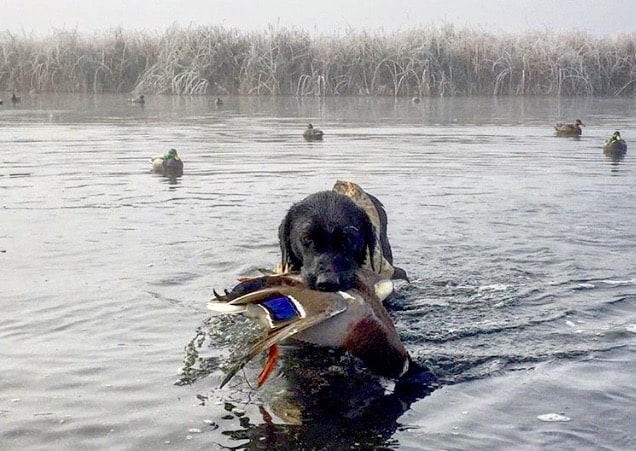


For waterfowl hunters, there’s nothing quite like owning a private hunting property. Whether you’re looking for a weekend retreat or a long-term recreational investment, understanding what makes a quality duck and goose hunting property is essential. While every property is unique, there are four key elements buyers should evaluate when searching for exceptional waterfowl habitat.
#1. Water.
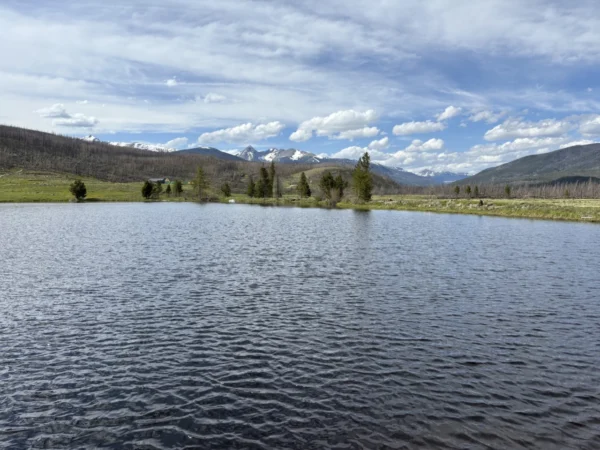
Waterfowl need water—but not all water features are created equal. A productive hunting property should offer reliable water along with a variety of habitat types, such as ponds, wetlands, sloughs, backwaters, or creek and river corridors. Equally important are protected areas where birds can loaf and roost without frequent disturbance. Properties with diverse water features tend to attract more birds throughout the season and provide multiple opportunities for strategically placed blinds.
#2. Location.
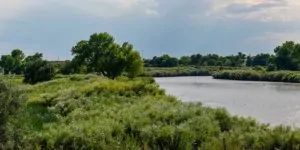
Location plays a major role in the quality of waterfowl hunting. Properties situated along major flyways, rivers, or watersheds often benefit from consistent bird movement as ducks and geese travel between roosting, feeding, and resting areas. Buyers should also consider the surrounding landscape. Nearby reservoirs, wildlife refuges, wetlands, agricultural ground, and other protected habitats can significantly increase the number of birds using an area and improve the long-term hunting potential of a property.
#3. Food.
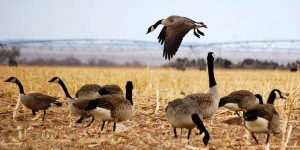
Water and location may bring birds into an area, but food is what keeps them there. The best waterfowl properties either contain or are surrounded by dependable food sources. Agricultural fields producing corn, grain, wheat, or alfalfa can provide excellent forage, while natural wetlands support aquatic vegetation that waterfowl rely on throughout the migration. Properties with irrigated fields or space to establish managed food plots offer owners additional opportunities to enhance habitat and attract ducks and geese year after year.
#4. Habitat.
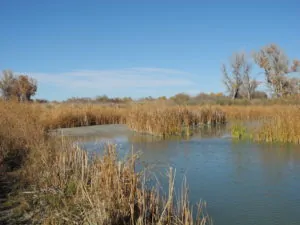
Healthy habitat is the final piece of the puzzle. Waterfowl thrive in areas with natural cover that provides protection from predators and shelter from the elements. Riparian corridors, freshwater wetlands, cattail marshes, willow thickets, cottonwood bottoms, native grasses, and other wetland vegetation all contribute to productive habitat. These diverse ecosystems not only support waterfowl but also benefit a wide range of wildlife, making them valuable recreational and conservation assets.
While no two properties are exactly alike, those that combine quality water, strategic location, dependable food sources, and diverse habitat consistently provide the best opportunities for waterfowl hunting. Whether you’re purchasing a recreational retreat or a legacy sporting property, evaluating these four characteristics can help you identify ranches with exceptional long-term hunting potential.
Be the first to see the latest Ranch news and advice
 0
0
Start saving properties by clicking the + button on any property page.